
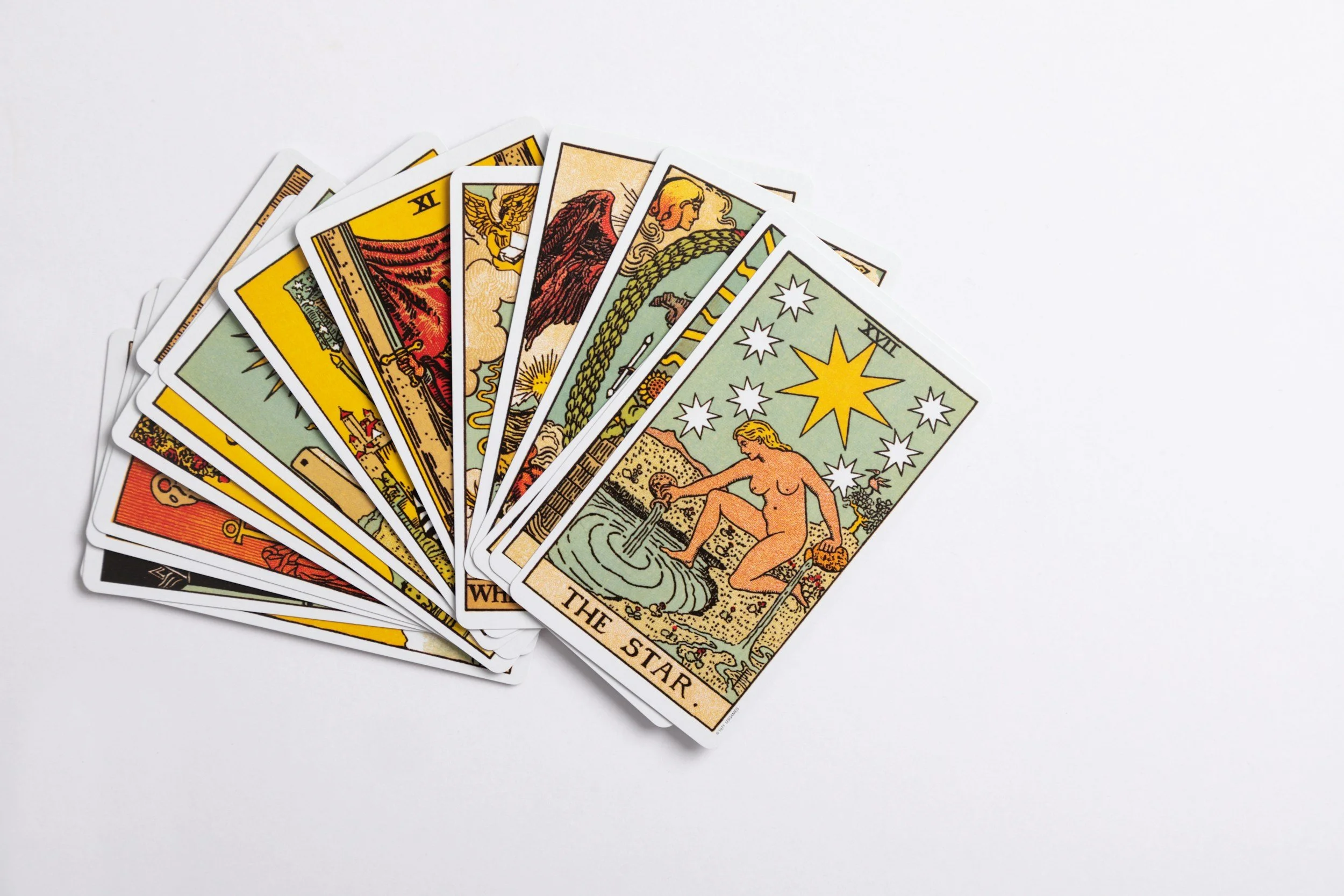
Calling Cards
Do you want to be the very best, like no one ever was?
The ideas of collectible card games and RPGs go together like peanut butter & jelly, and we’ve seen plenty of versions of this over the years. Here’s another.
Necromancy & Other Dark Arts
Using bad magic should feel good… then bad again. These rules allow you to impose a real cost for deals with demons.
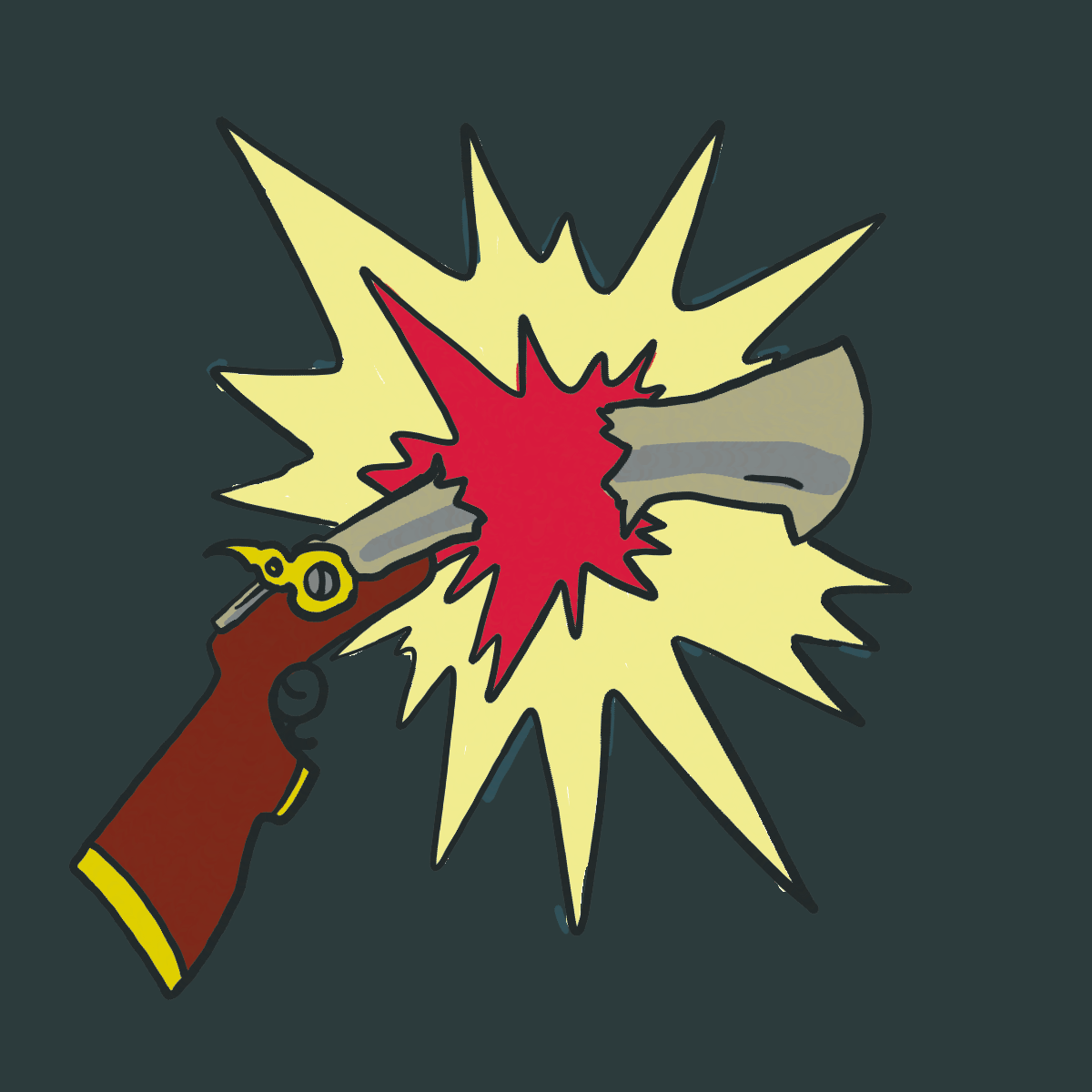
Weapon Misfires
In the wild, post-apocalyptic wasteland a good weapon is more valuable than a good friend - but both can turn on you without warning.
This set of rules provides a quick and easy way to incorporate weapon misfires into any system with a d20 attack roll and variable damage dice based on weapons (like, say, OSE, Shadowdark, or D&D).
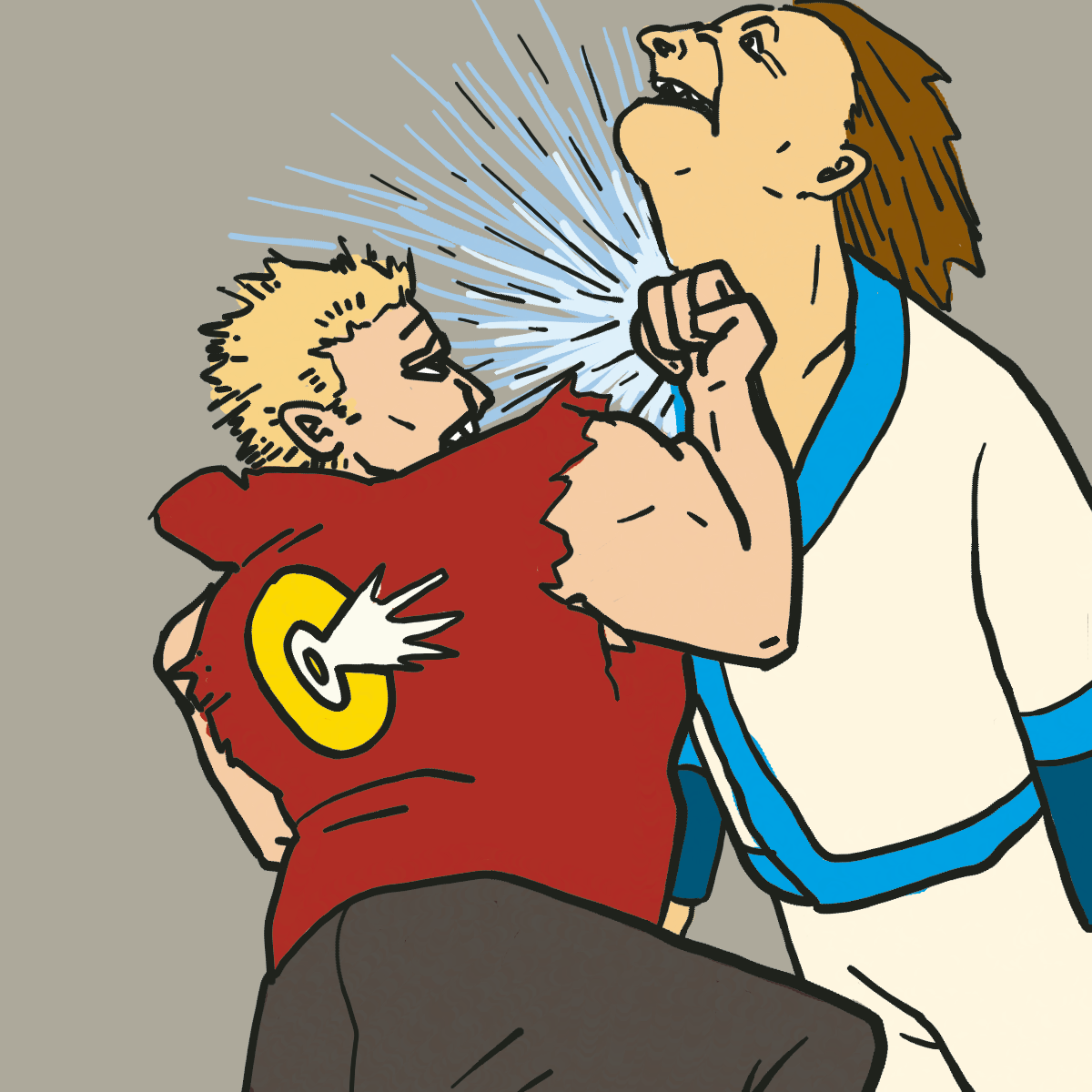
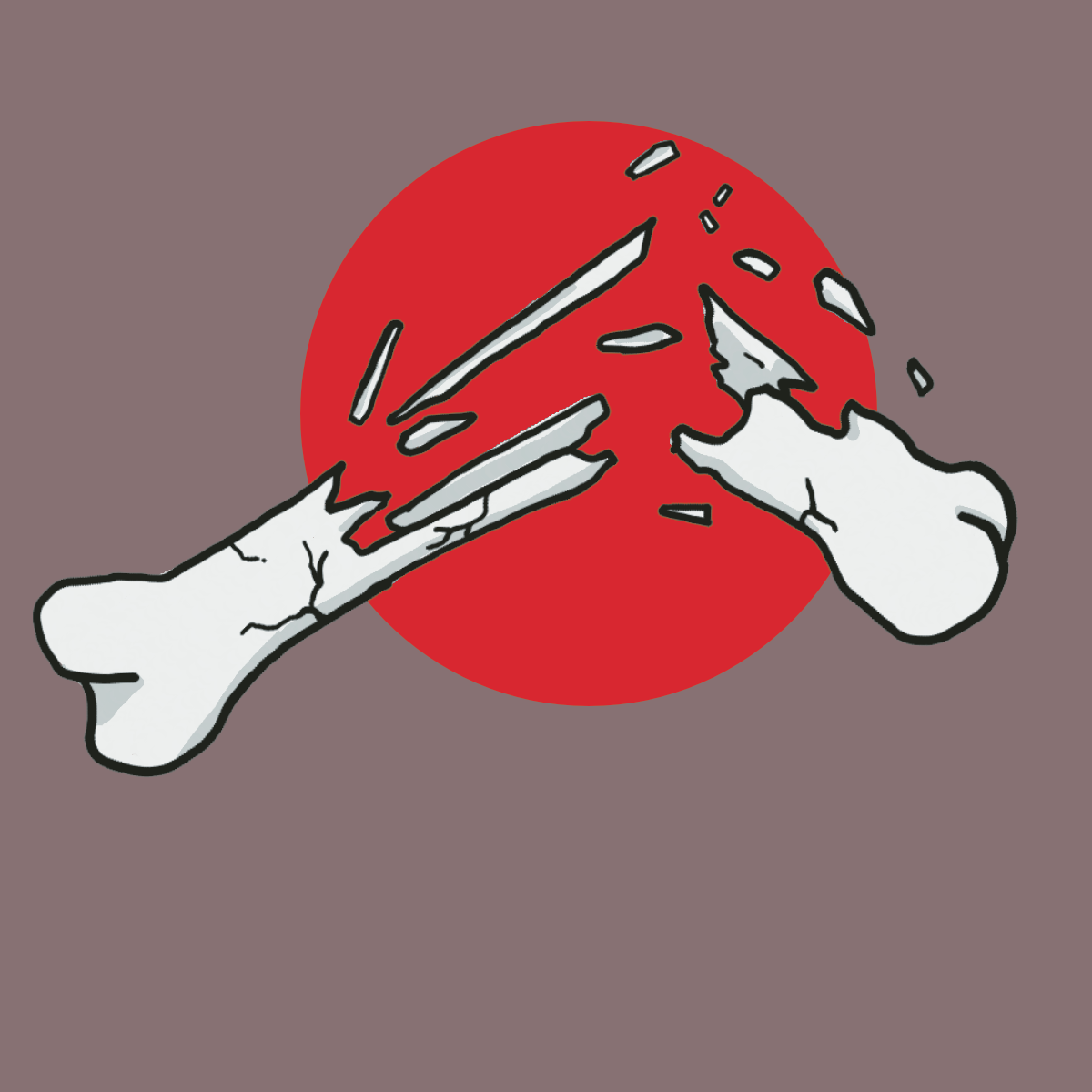
Real Bad Injuries
You’re saying when a guy gets brained with a six-pound lump of sharp metal, he loses some ‘hit points’? Nah, we want to see bones break & brains concuss.
D&D 5E Ranger Subclass: Urban Ranger
A subclass for the D&D 5th Edition (2014) ranger class. This turns your ranger into a fast-moving detective, racing through the city ahead of pursuers or after your own prey.
Tek Skills for D&D 5E
In a world with simple technology - anything up to today's level of technology, probably - we can boil down tool/skill checks into two categories: Mech and Tech.
Mithril Magic
This variant goes one step beyond a Magic Point or Spell Point system to link those points to physical things: mithril, and it's various manifestations. In this magic variant spellcasters have to gather supplies with which to power their spells, whether that means purchasing them, slowly distilling their fuel from the environment, theft, or foraging.
This variant results in less powerful spellcasters with limited resources, and slows the pace of play. It's most suitable for a game that's using slower rests (e.g., a 'short rest' takes place overnight, a 'long rest' requires a week or a campsite).
More Fun Familiars
Familiars are thoroughly explored in folklore and fiction, but in D&D represent basically a walking Help action, sometimes with a comedy bit. What if they could be beefed up with a bit of additional magical power?
Dying Hurts
For many adventuring parties being knocked unconscious is a penalty only if you actually miss your turn. There are so many healing abilities that spending more than a round at 0 hp is often a long-forgotten memory after 4th or 5th level when healing word and revivify become de rigueur choices for your bard, druid, cleric, and celestial soul sorcerer.
This can keep combat quick and smooth, but also has the disappointing effect, noted at gaming tables worldwide, of making combat a kind of nothing event in most cases. If there's no consequence beyond using a 2nd-level spell slot for being reduced to 0 hp, why try to avoid it?
The answer in this case is to reintroduce consequences for reaching 0 hp without crippling a character. There are several ways to do this, three of which are presented here.
Social Combat
Social combat is an expanded set of rules for social interactions. Instead of making a single check to represent getting your way in a conversation, you’ll take a number of steps that resemble a complex skill check.